
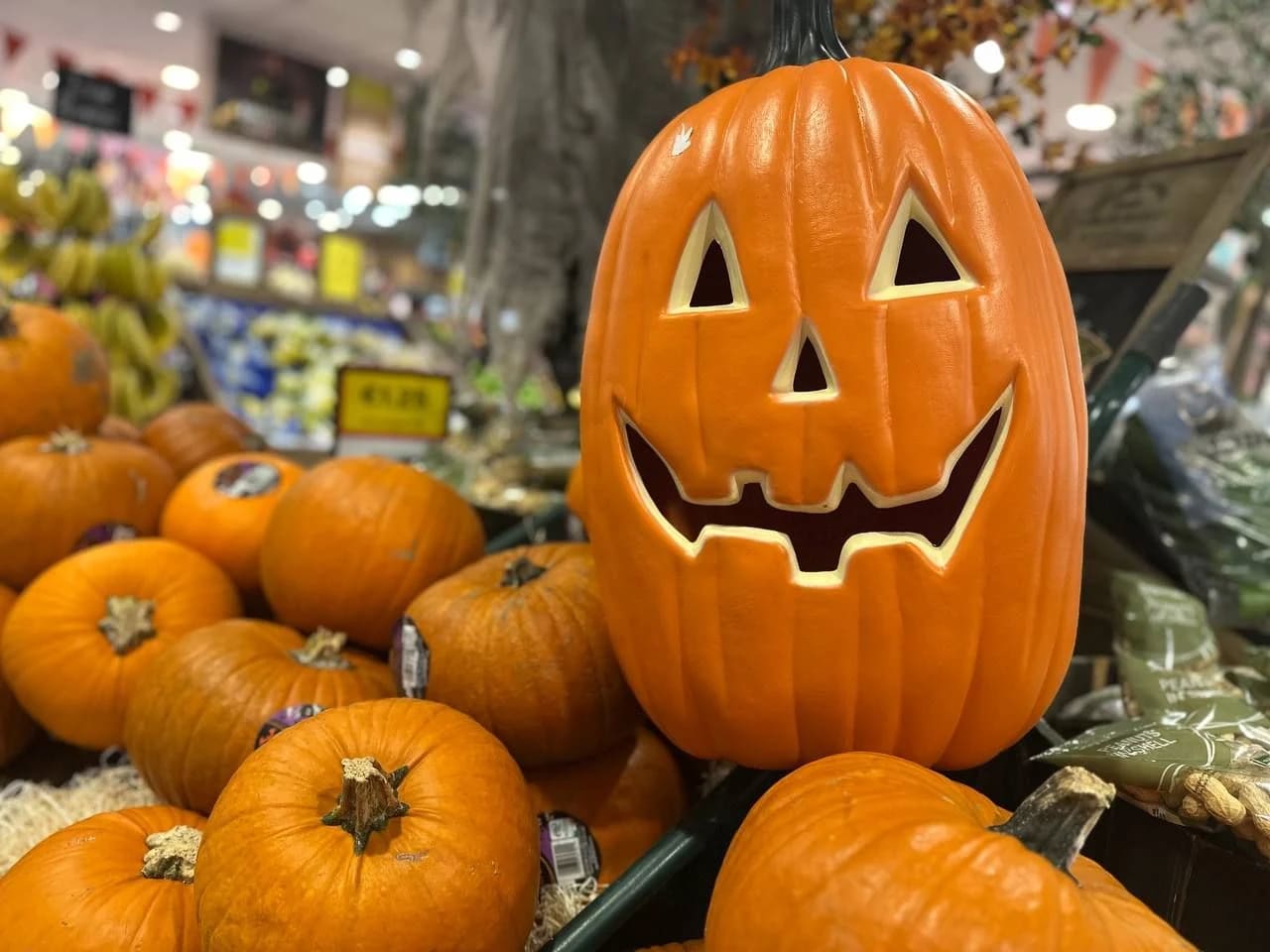
Every October, glowing pumpkins with crooked smiles appear on doorsteps and windowsills around the world. But why do we carve faces into pumpkins for Halloween, and who is the Jack behind the name jack-o’-lantern?
The story brings together an Irish folktale, a custom of carving root vegetables and a pumpkin’s rise to seasonal fame across the Atlantic.
The Legend of Stingy Jack
In one version of the Irish folktale, Stingy Jack was a cunning, disreputable man with a taste for drink and a habit of outwitting others. Even the Devil was not beyond the reach of his tricks.
One evening, Jack invited the Devil to join him for a drink. When the bill arrived, however, he persuaded his companion to turn himself into a coin to pay for it.
Jack promptly pocketed the coin beside a silver cross, leaving the Devil trapped. In exchange for his freedom, the Devil agreed to leave Jack alone for a year.
When he returned, Jack devised another trick. He asked the Devil to climb an apple tree to pick some fruit, then carved a cross into the trunk, preventing him from coming down. This time, Jack demanded ten more years of peace and a promise that the Devil would never claim his soul.
Jack died before those years had passed.
His dishonest life barred him from Heaven, while the Devil, bound by his word, would not receive him in Hell. With nowhere to go, Jack was left to wander in darkness.
The Devil gave him a single burning coal to light his way. Jack placed it inside a hollowed-out turnip and set off with his makeshift lantern.
The restless figure became known as Jack of the Lantern, later shortened to jack-o’-lantern. In the telling, his journey has never ended.
Before Pumpkins, There Were Turnips
In Ireland, people traditionally carved frightening faces into turnips, placed candles inside and displayed them around their homes at Halloween. The pale, uneven roots could produce remarkably sinister faces, their features thrown into sharp relief by the flickering light.
These lanterns were intended to frighten away wandering spirits. They belonged to a wider world of Halloween customs and supernatural beliefs, often associated with Samhain, the ancient festival marking the beginning of winter.
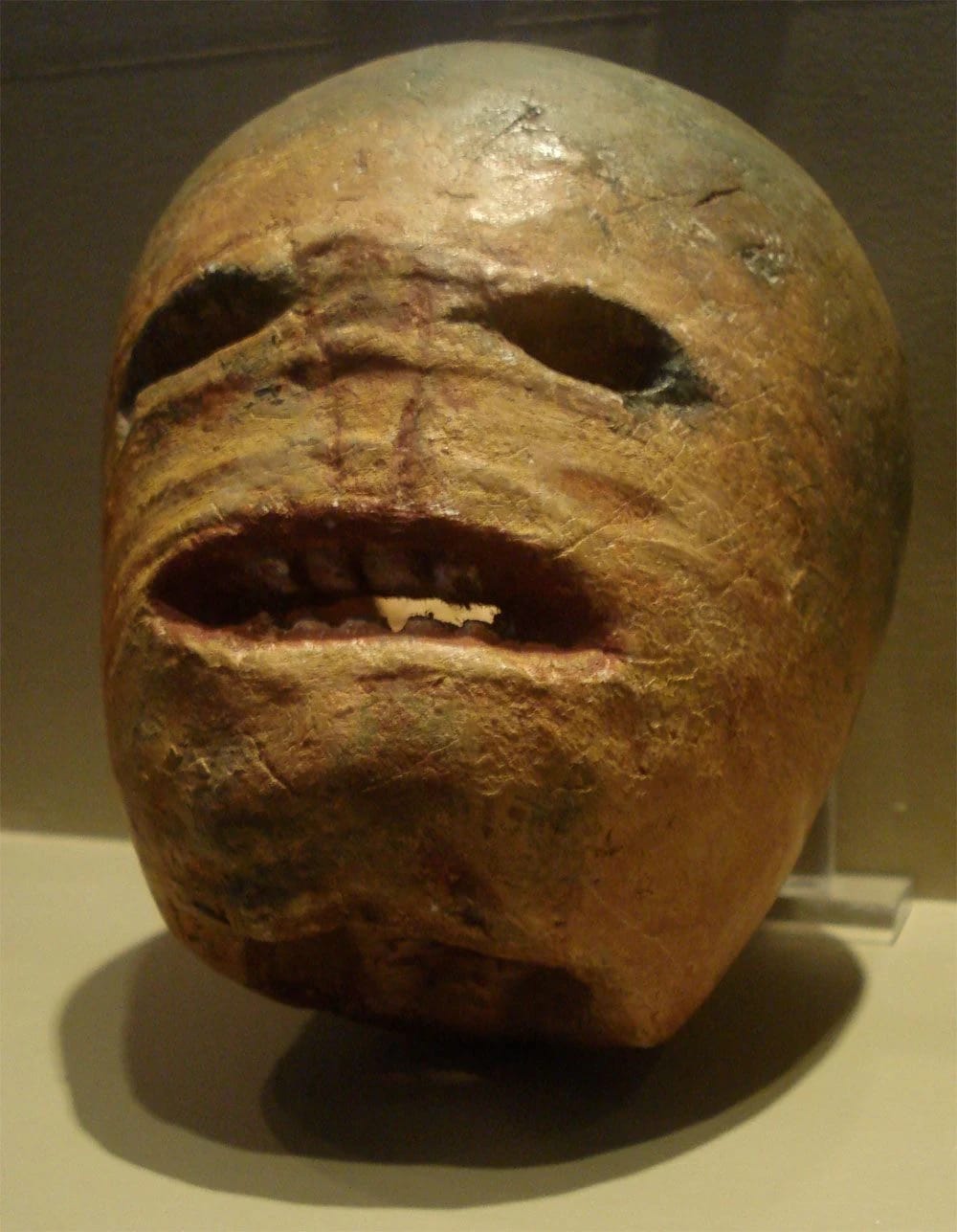
One particularly eerie example survives in the collection of the National Museum of Ireland: a plaster model of a carved turnip lantern based on a tradition recorded in County Donegal around 1900. Its unsettling expression is far removed from the cheerful pumpkin faces often seen today.
How the Pumpkin Took Centre Stage
Irish immigrants carried their Halloween customs across the Atlantic, where pumpkins offered a practical alternative to turnips.
Larger and softer, with more room for a candle, pumpkins were easier to carve and widely available in North America. They gradually became the preferred material for Halloween lanterns, taking their place in American celebrations during the nineteenth century.
The change gave the tradition its now-familiar shape and colour. A pumpkin could be frightening, comical or elaborately decorative, and its broad surface offered plenty of room for invention.
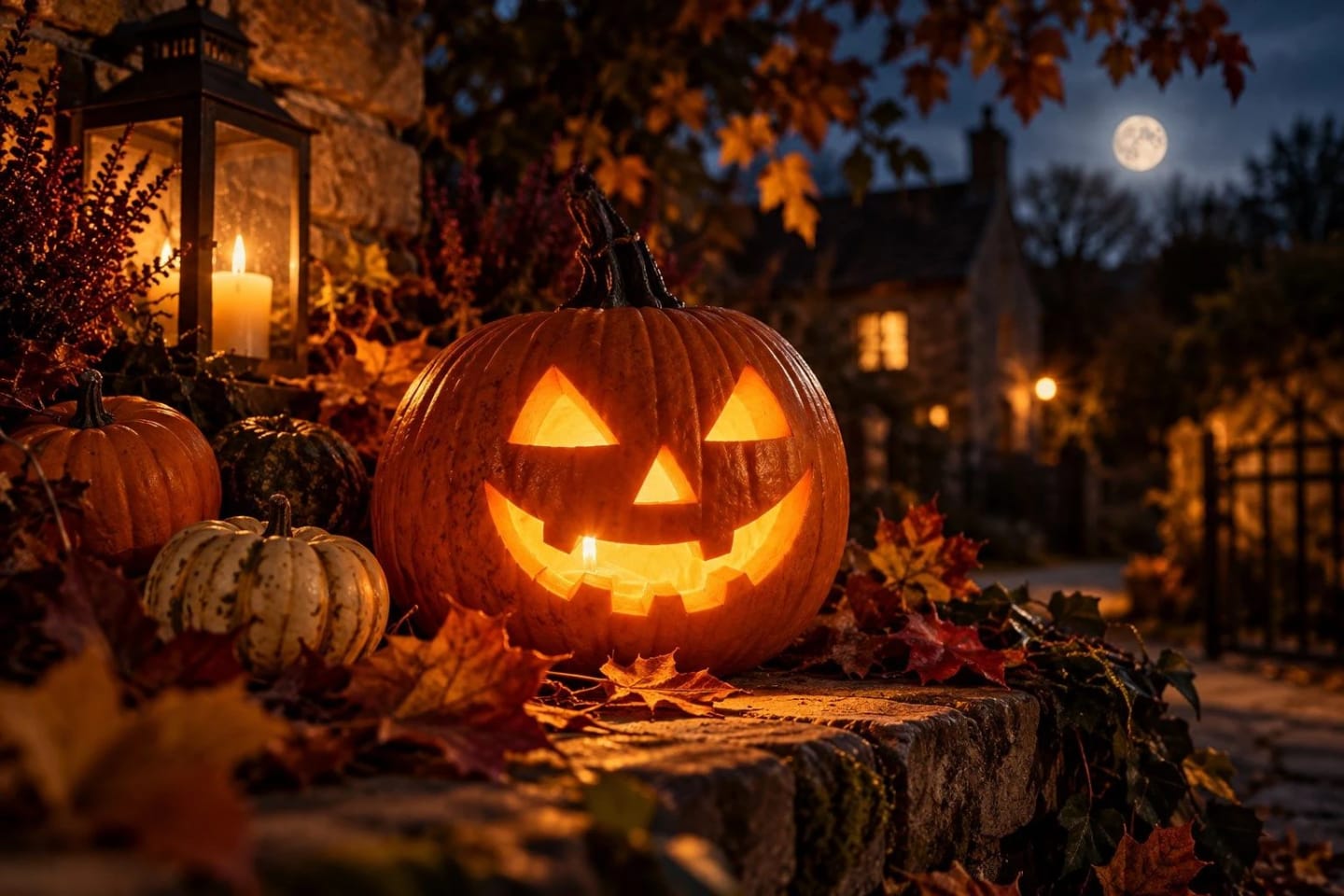
Today, the glowing orange jack-o’-lantern is recognised around the world. A carved pumpkin on a doorstep may seem a long way from Jack’s lonely wandering, but it still carries something of the old story: a face in the darkness, lit from within.
