
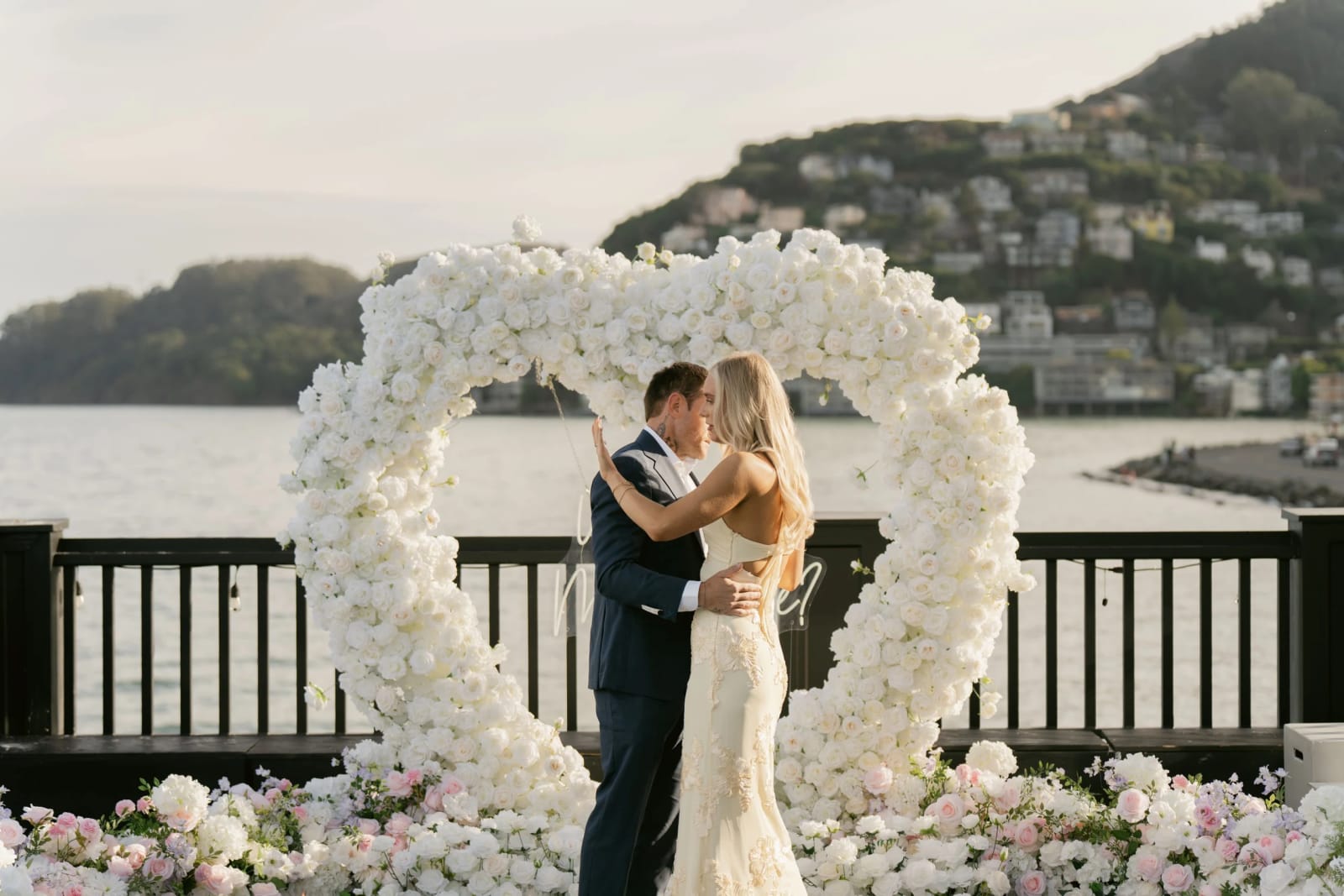
I have always found it fascinating that we put so much thought into the occasions we celebrate, yet for years, the way we celebrated them remained remarkably predictable. A birthday meant booking a restaurant, an anniversary meant requesting the nicest table, and a proposal often meant hoping the waiter would bring out the champagne at precisely the right moment. We placed enormous emotional significance on these evenings, but largely entrusted their execution to experiences that had been designed for everyone rather than anyone in particular.
There is something wonderful about a beautiful restaurant, and I certainly don’t believe that every special occasion requires an elaborate production. However, since founding ERIA and working with clients across our venues in the San Francisco Bay Area, I’ve noticed a growing appetite for something different. People are increasingly interested in creating an evening that feels unmistakably their own, where the food, setting, music, and progression of the experience are all connected to the reason they are gathering in the first place.
What interests me most about this evolution is that it isn’t necessarily about extravagance. In many cases, it is about intimacy, intention, and the opportunity to celebrate without being confined by the conventions of a traditional restaurant.
One of the most memorable aspects of running an events business is discovering how differently people define a perfect evening. For one couple, it might mean a candlelit dinner overlooking the water, with a private chef preparing their favorite dishes. For another, it could mean an elaborate proposal followed by a surprise celebration with family and friends. A corporate client might want to abandon the formality of a conventional business dinner in favor of an evening that encourages genuine conversation, excellent food, and a little more personality.
These occasions have very little in common on paper, yet they are all driven by the same desire to make an experience feel personal.
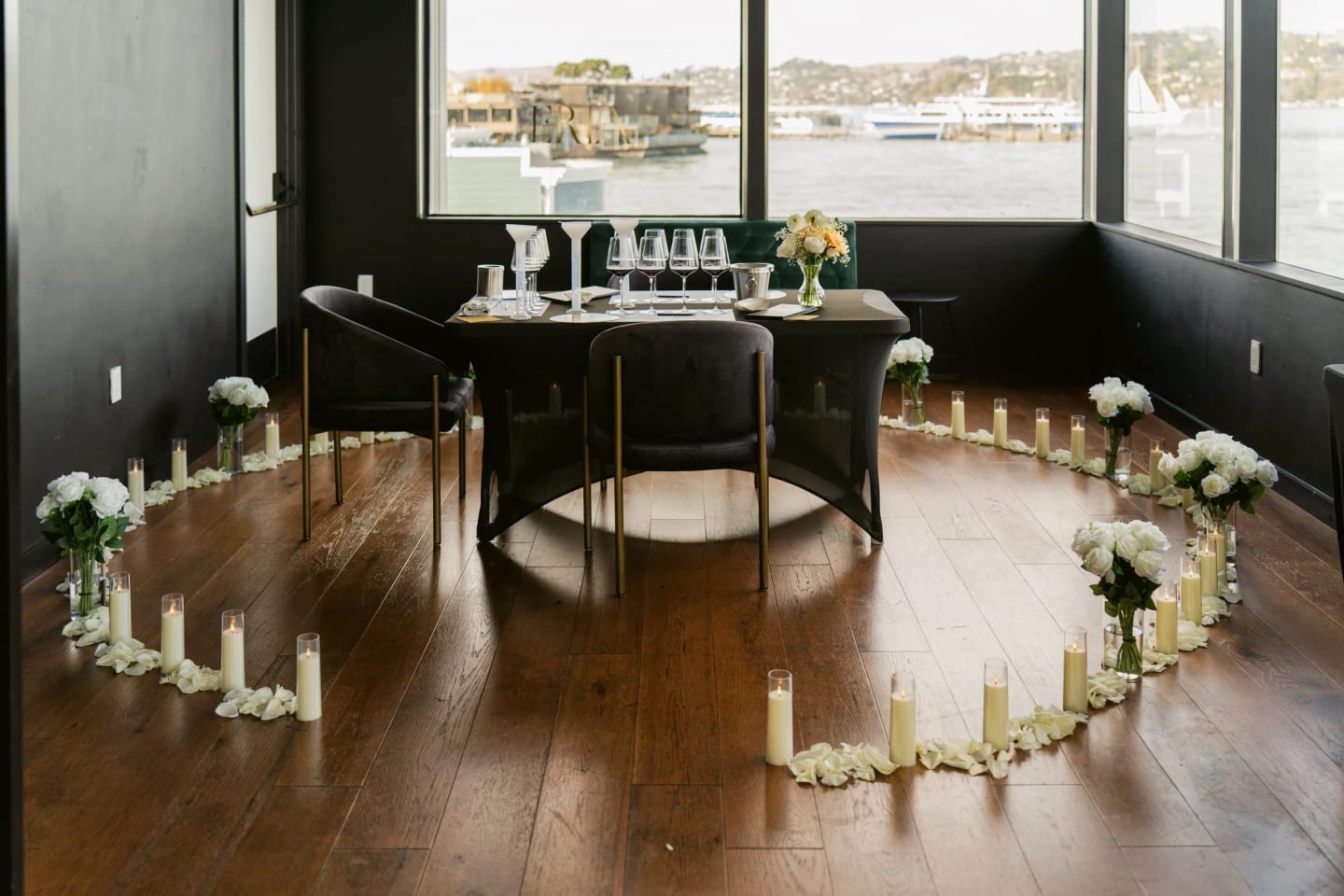
When someone books a private dining experience at ERIA, the conversation rarely begins and ends with the menu. We talk about who is attending, what they are celebrating, how they want their guests to feel, and what they hope everyone remembers afterward. Sometimes the answers lead us toward a beautifully simple dinner. Other times, they inspire something far more elaborate, involving musicians, florists, photographers, interactive activities, or a culinary experience designed specifically for the occasion.
I think this is where private dining becomes particularly interesting, because the setting is no longer simply somewhere to eat. It becomes an opportunity to tell a story.
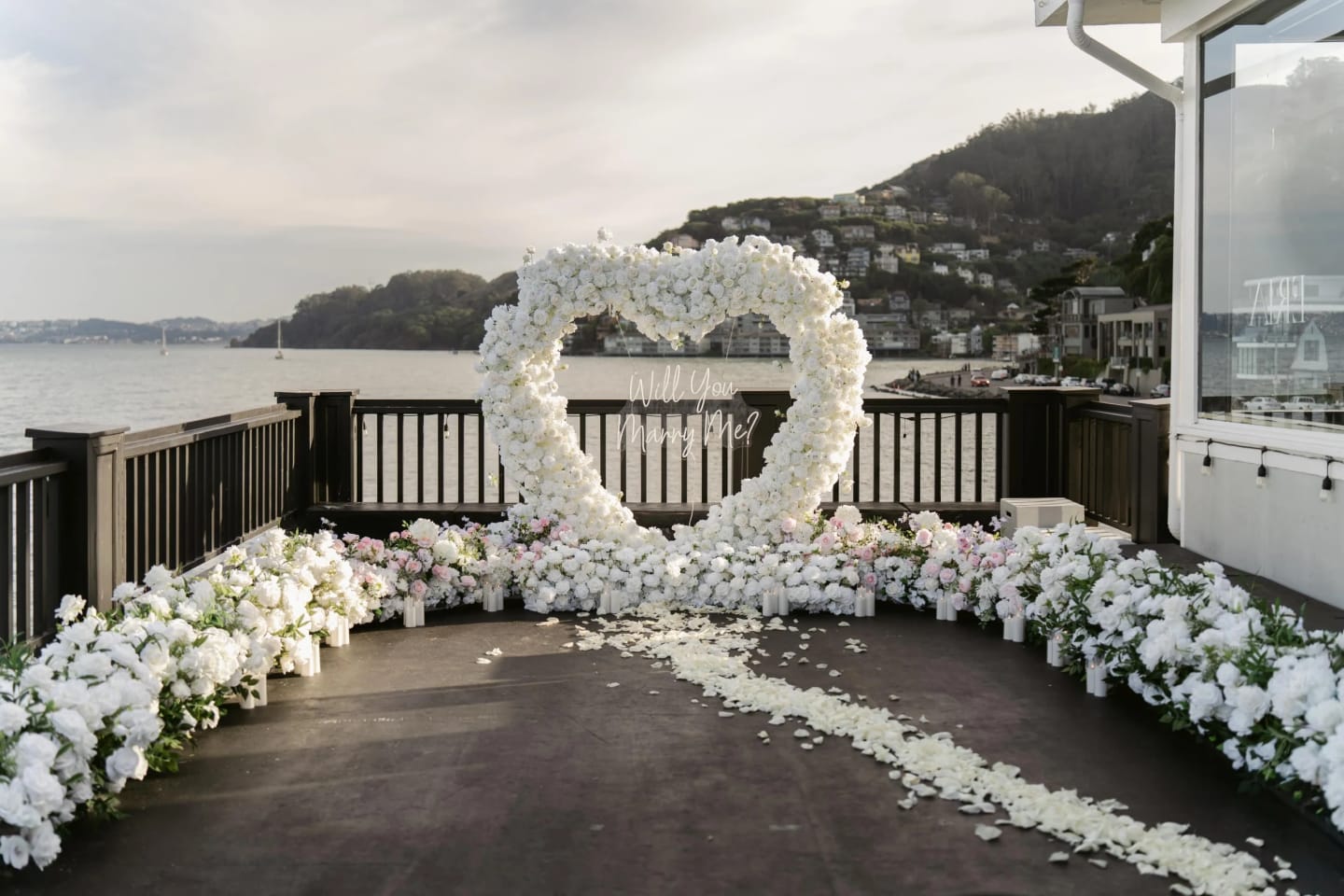
We have worked on proposals where the evening unfolds through several carefully considered experiences rather than a single dramatic moment. The proposal itself might take place in a romantic setting, followed by photographs, an activity that reflects the couple’s personalities, and eventually a private dinner where they can enjoy the excitement of what has just happened. The meal becomes part of a larger narrative, rather than the entire occasion being organized around a restaurant reservation.
What makes these experiences successful is not necessarily the number of elements involved, but the relationship between them. An elaborate evening can feel surprisingly impersonal when every detail has been included simply because it looks impressive. Conversely, a dinner for two can feel extraordinary when the setting, food, and atmosphere reflect something meaningful about the people sitting at the table.
I’ve come to believe that the most compelling form of luxury is being understood well enough that an experience feels as though it could not have been created for anyone else.
The growing role of private chefs is another fascinating part of this shift. Restaurants naturally have their own culinary identities, which is one of the reasons we love them. Private dining, however, creates the possibility of beginning with the guest rather than an established menu.
A chef can develop dishes around someone’s heritage, favorite ingredients, dietary preferences, or memories of a particular meal. Depending on the occasion, the culinary experience can also become more interactive, with the chef introducing courses, discussing ingredients, or bringing guests into the creative process.
For someone celebrating a milestone, there is something particularly special about knowing that the meal was considered and prepared specifically for that evening. It changes the relationship between the guest, the chef, and the food itself.
Of course, from the perspective of someone running a hospitality company, the freedom to personalize everything comes with a rather substantial amount of responsibility.
A restaurant has the advantage of an established operating environment. Its kitchen, staff, menu, and service rhythms are designed to function together repeatedly. A private event venue often begins with a blank canvas, which means that the experience must be assembled around the client’s vision.
A single dinner might require coordination between a chef, service staff, bartenders, florists, rental companies, musicians, and photographers. Every participant has their own requirements, and every decision affects something else. The timing of the meal influences the entertainment, the entertainment influences the room layout, and the room layout influences how comfortably guests can move through the evening.
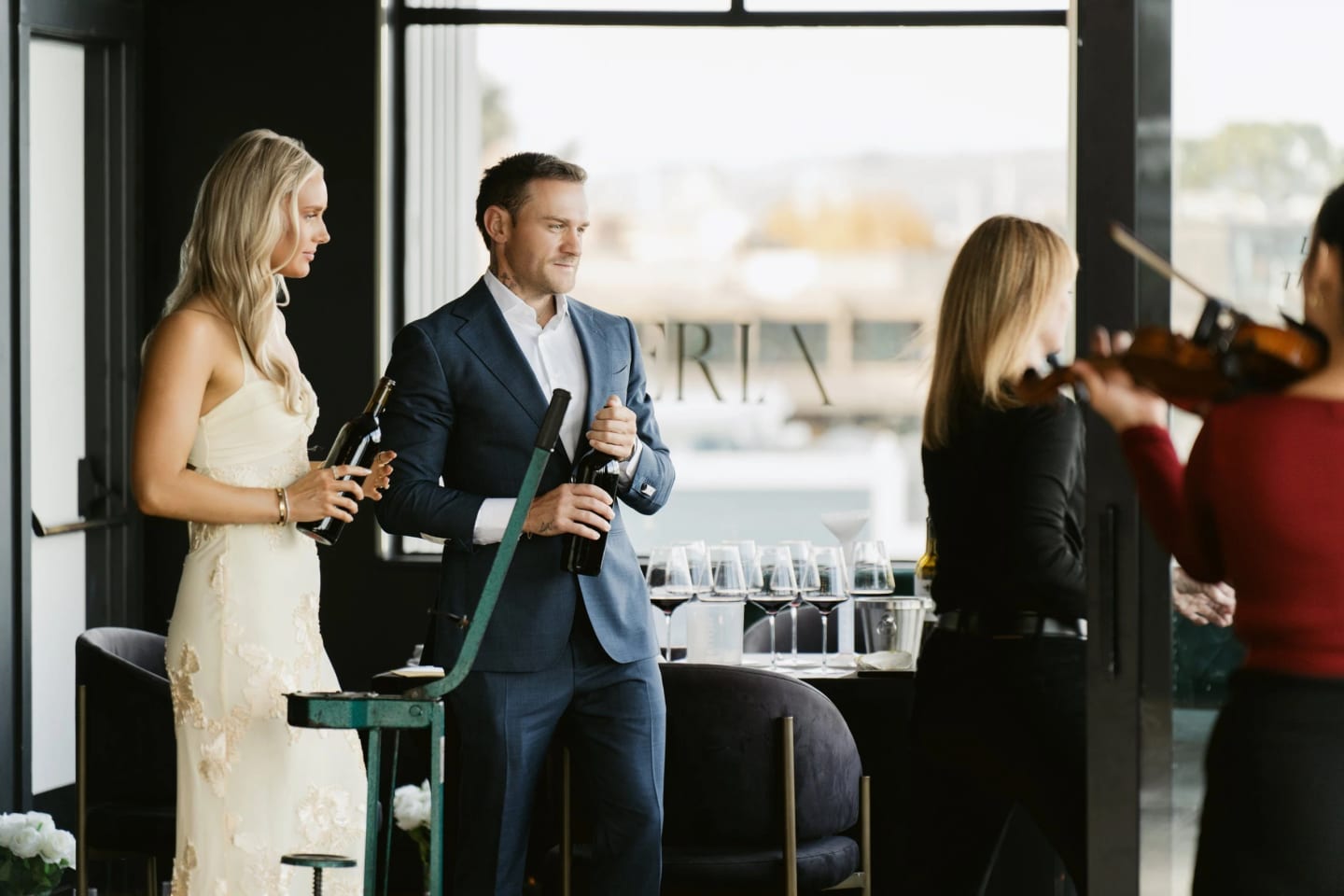
As ERIA has expanded, I’ve learned that creating something that feels effortless requires an enormous amount of structure behind the scenes. Creativity may inspire the experience, but organization is what allows people to enjoy it.
There is also an interesting economic dimension to this changing approach to hospitality. When people begin designing an occasion around their own priorities, they become more deliberate about where their money goes.
One client might place tremendous importance on the culinary experience while keeping the décor understated. Another might prefer a simpler menu but invest in live entertainment or an exceptional setting. A couple celebrating privately may decide that an intimate evening with a chef and photographer is more meaningful to them than a larger gathering.
This flexibility allows the experience to reflect the guest’s values rather than requiring every celebration to follow the same formula.
I don’t think this means traditional restaurants are losing their appeal. Some of my favorite evenings involve nothing more complicated than excellent food, wonderful company, and a restaurant that knows exactly what it does well. There will always be something special about discovering a chef’s vision and allowing a restaurant to take care of the rest.
What is changing, in my view, is that people have become more aware of the possibilities available to them. A restaurant reservation is no longer the only natural starting point for a special meal, just as a ballroom is no longer the only obvious setting for a wedding.
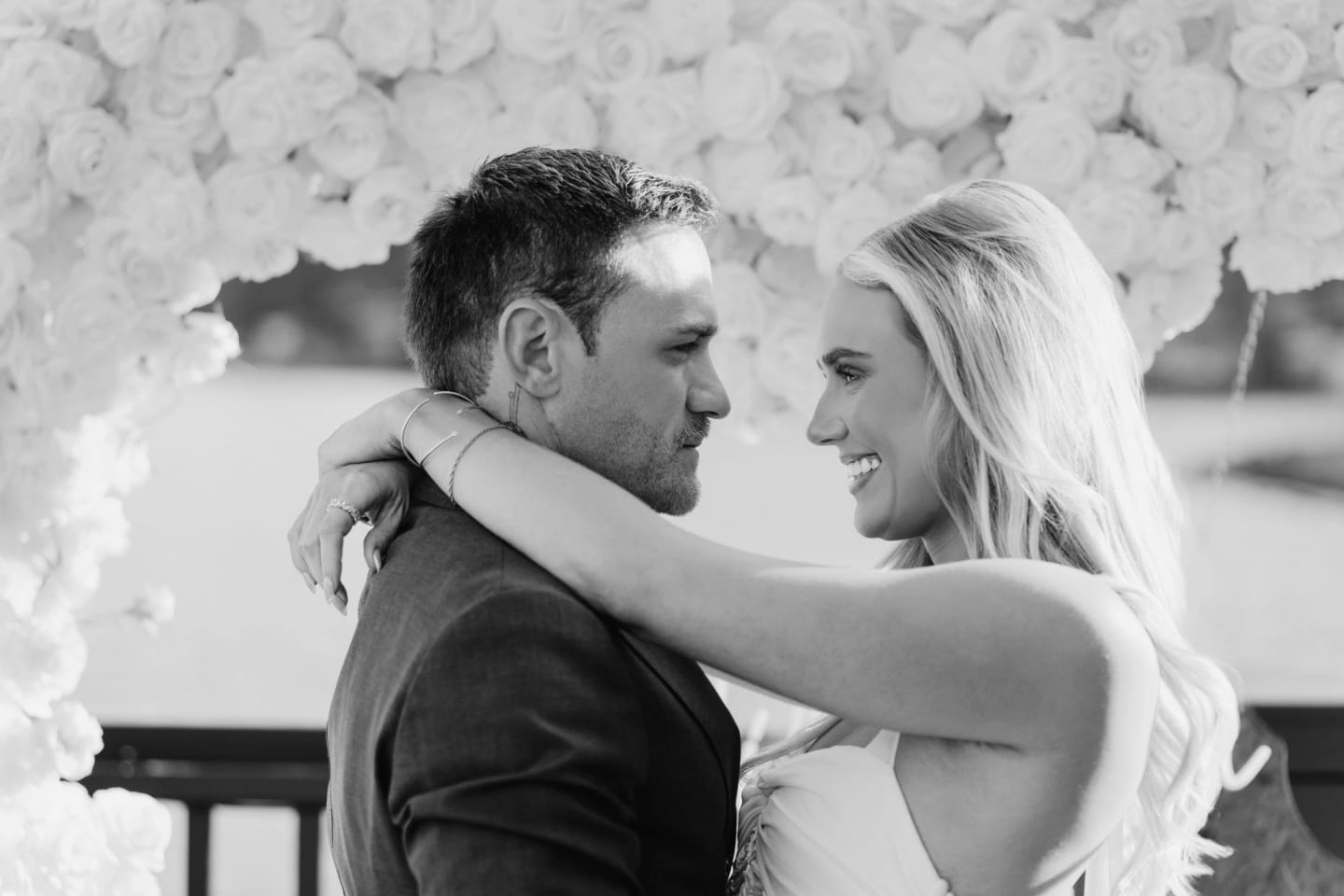
Hospitality is becoming less about choosing between established formats and more about deciding what kind of experience makes sense for the occasion.
For independent operators, I think this creates an exciting opportunity to reconsider what we are actually offering. A venue is not simply a room, and a private dinner is not simply a meal. Both are opportunities to bring people together in a way that feels thoughtful, personal, and memorable.
The challenge is to provide enough flexibility for every experience to feel different while maintaining the consistency and professionalism that excellent hospitality demands. That balance has become one of the most important lessons I’ve learned while building ERIA.
Ultimately, I think the future of private dining will be shaped less by how elaborate we can make an evening and more by how thoughtfully we can create it. Guests will continue to appreciate beautiful settings, exceptional chefs, and wonderful service, but the most meaningful experiences will be those that connect these elements to something personal.
After all, when people gather to celebrate a milestone, they are rarely doing so simply because they want to eat dinner. They are celebrating a relationship, an achievement, a new beginning, or a moment in their lives that deserves to be remembered.
The food is an important part of that memory, but the real art of hospitality lies in everything that surrounds it.
ABOUT THE AUTHOR
Nikita Khandheria is the founder of ERIA, a self-funded hospitality and events company operating distinctive venues across the San Francisco Bay Area. Having expanded the business from one to four venues in approximately 18 months, she brings an entrepreneurial perspective to luxury hospitality, private dining, weddings, and experiential events. Her work focuses on creating thoughtful celebrations that combine personalized experiences with exceptional service.
Website: https://www.eria.co
