

For generations, “going out for a drink” usually meant one thing: meeting at a pub or bar over beer, wine or cocktails. Alcohol was not merely something people consumed. It provided the setting, the ritual and often the reason to meet.
For many members of Gen Z, that phrase is beginning to mean something different.
The drink might now be a strawberry matcha latte, brown sugar bubble tea or an iced coffee topped with flavoured foam. The meeting place may be a brightly designed café rather than a dimly lit pub. And the occasion no longer needs to begin late in the evening—or involve alcohol at all.
Gen Z has not abandoned drinking culture. It is redefining where drinking happens, what belongs in the cup and what a social drink is supposed to provide.
A social space with fewer rules
The traditional pub comes with certain expectations. It is mainly associated with evenings, alcohol and customers old enough to drink. A restaurant usually requires a meal, a larger bill and a more planned occasion.
A café asks for much less commitment.
Someone can visit before college, between work shifts, after shopping or early in the evening. Friends can stay for twenty minutes or sit together for two hours. One person can bring a laptop, another can arrive late, and nobody needs to explain why they are not drinking alcohol.
The price of a fashionable matcha latte or large bubble tea may not be particularly low. In some cities, it can approach the price of a pint or cocktail. But the customer knows approximately what the entire outing will cost. There is no expectation of ordering dinner, buying several rounds or extending the meeting into a full night out.
A single drink effectively becomes an entrance ticket to a social space.
Why matcha fits the moment
Matcha is almost perfectly designed for the current visual culture of food and drink.
Its bright green colour is instantly recognisable. The preparation process—with powder being whisked, milk poured over ice and colourful fruit purées forming separate layers—looks satisfying on video. The finished drink is easy to photograph and immediately communicates a particular aesthetic.
It is also highly adaptable. Matcha can be served hot or cold and combined with strawberry, mango, coconut, vanilla, flavoured syrups and different kinds of milk. A customer is not simply ordering tea; they are assembling a personal version of it.
The drink also carries an aura of wellness. Matcha is marketed through references to antioxidants, concentration and a smoother form of energy than coffee. These associations undoubtedly help sell it, but health is unlikely to explain the entire trend. Many popular matcha drinks contain sweetened milk, syrups, cold foam or fruit preparations.
People do not always buy matcha because it is the healthiest option. They may buy it because it feels modern, looks attractive and gives them something more distinctive than an ordinary coffee.
The commercial growth is real. In summer 2025, matcha sales among British cafés using Square more than doubled compared with the previous year. Approximately 1.6 million matcha drinks, worth more than £7 million, were sold in just two months, according to figures reported by the Financial Times.

Bubble tea turns ordering into entertainment
Bubble tea succeeds for many of the same reasons, but adds another important element: play.
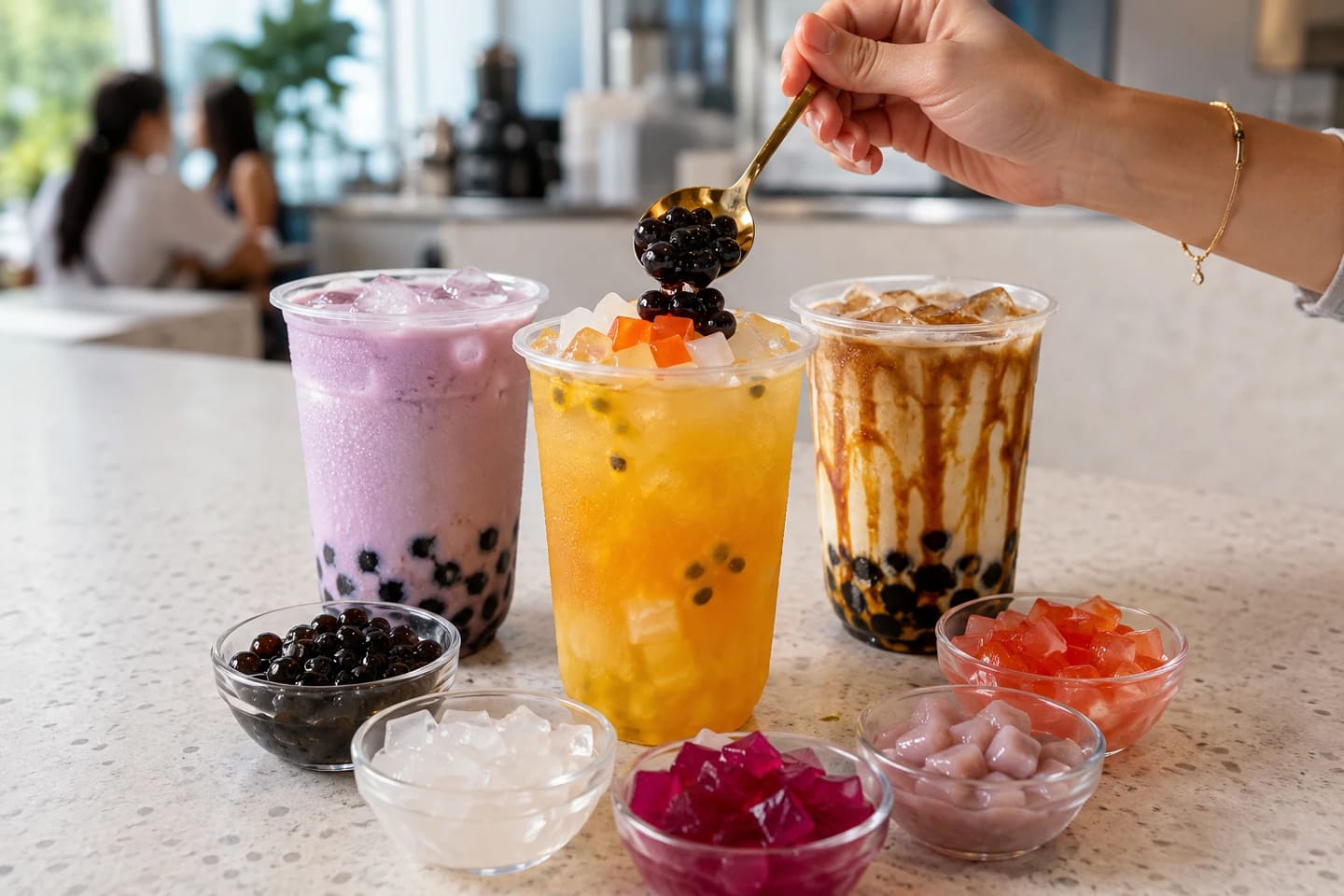
A typical customer may choose between tea and milk bases, select a flavour, adjust the sweetness and ice level, and add tapioca pearls, fruit jelly, popping boba or other toppings. Two people entering the same shop can leave with entirely different creations.
That choice is part of the attraction. Ordering becomes an activity in itself, particularly for groups comparing combinations or returning to try limited-edition flavours.
Bubble tea also occupies a convenient space between a beverage, a dessert and a snack. It feels substantial enough to justify a special trip but casual enough to buy without turning the occasion into a restaurant visit.
Its shops often reinforce that experience through colourful interiors, branded cups, seasonal menus and products created to be shared online. The venue is selling more than tea. It is selling novelty, personalisation and participation in a recognisable culture.
Drinks still communicate identity
A pint once revealed something about the person ordering it: their habits, preferences and perhaps the group to which they belonged. Contemporary non-alcoholic drinks perform a similar role, but offer far more visible variations.
An iced oat matcha, taro milk tea and double espresso energy drink communicate three different identities—even when they are bought by people sitting at the same table.
These choices can signal taste, lifestyle and knowledge of current trends. Knowing which café has the best ceremonial-grade matcha or which bubble tea topping to combine with a particular flavour creates its own form of cultural expertise.
Social media intensifies this effect. A pint of lager usually looks like every other pint of lager. A layered strawberry matcha, by contrast, is immediately recognisable in a photograph or short video. The drink continues to perform socially even after the meeting has ended.
This is not simply a health revolution
It would be tempting to explain the decline in conventional drinking among some young adults as evidence that Gen Z has become unusually health-conscious.
The reality is less tidy.
The same generation is also associated with brightly coloured energy drinks, heavily sweetened coffees and widespread vaping. Many bubble teas contain substantial amounts of sugar, while energy drinks may deliver high doses of caffeine. Even a matcha latte can function more like a dessert than a traditional cup of tea.
This does not mean the shift away from alcohol is meaningless. It suggests that young consumers may be rejecting particular consequences of drinking rather than excess in every form.
Alcohol can bring a hangover, loss of control, an expensive night and embarrassing behaviour recorded on someone’s phone. Caffeine promises almost the opposite: energy, alertness and the ability to continue studying, working, gaming or socialising.
Gen Z may be moving away from hangovers, but it is not necessarily moving away from excess.
The pub is no longer the automatic choice
Pubs and bars are not disappearing from young people’s lives, and it would be misleading to suggest that an entire generation has stopped drinking. Consumer research presents a more complicated picture. In NIQ data, 31% of Gen Z respondents said they were drinking less alcohol, while 15% said they were drinking more.
The important change may therefore be cultural rather than absolute.
Alcohol no longer has the same monopoly on social occasions. Meeting for a drink does not automatically require a pub, an evening reservation or a substance that changes how someone behaves. A café can offer the same excuse to leave the house, the same repeated ritual and the same sense of belonging.
In some ways, matcha bars and bubble tea shops offer even more. Their menus change constantly, their products can be personalised, and their interiors and drinks are designed to be photographed. They are accessible during a much larger part of the day and can accommodate conversation, studying, scrolling or simply spending time together.
The pub has not vanished. It has simply acquired a new kind of competitor.
For Gen Z, the defining social drink may no longer be a pint poured from a tap. It could be green, served over ice and finished with strawberry cold foam.
And it will almost certainly come with a straw.
Sources: Financial Times on the UK matcha boom, NIQ on Gen Z hospitality trends
