
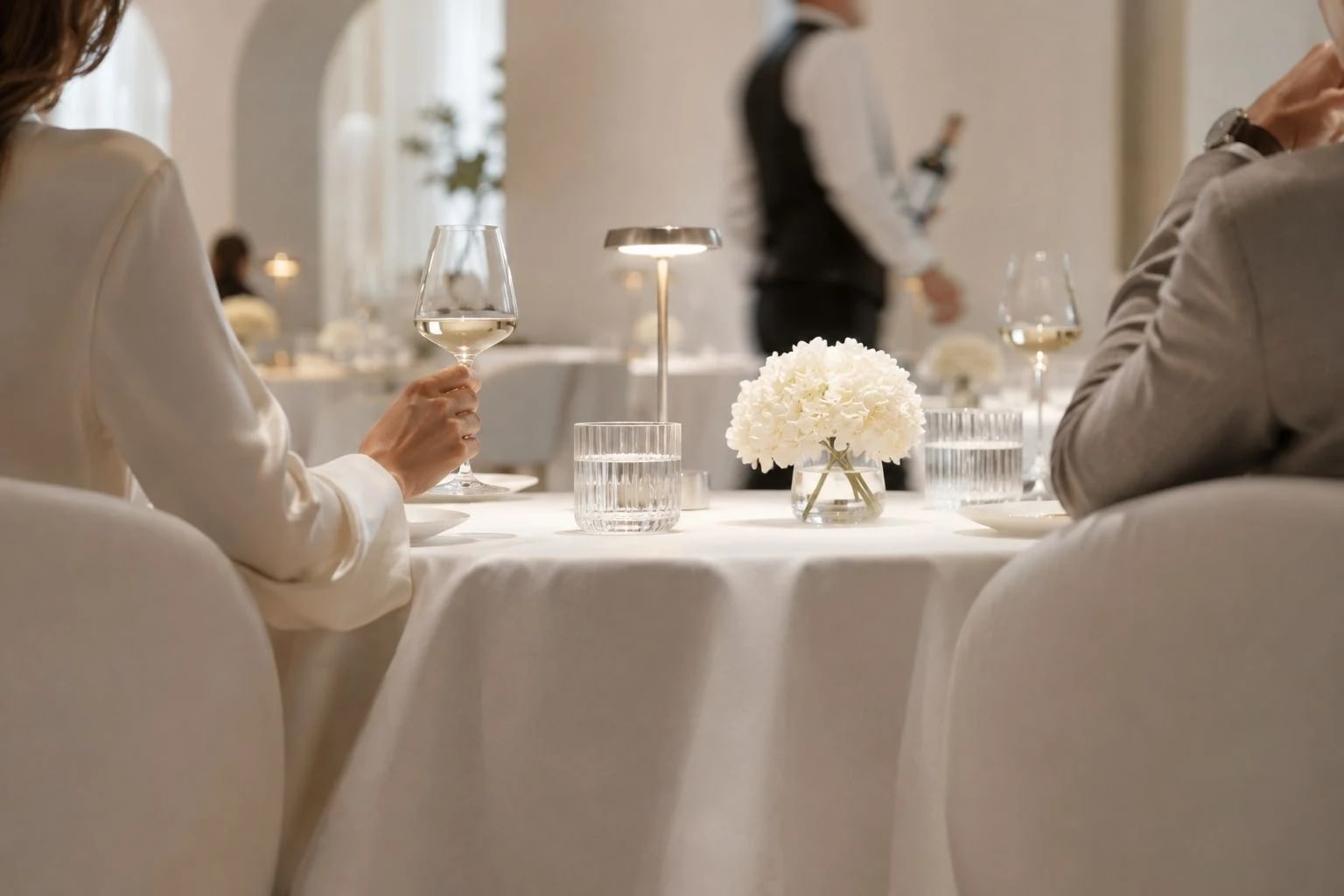
Fine dining is often associated with elegant restaurants, beautifully presented dishes, attentive service and impressive prices. But there is much more to this style of dining than white tablecloths and elaborate menus.
At its heart, fine dining is about creating a carefully considered experience in which food, hospitality and atmosphere come together.
Whether you are planning a special celebration, exploring a tasting menu or simply curious about what to expect, understanding a few essentials can help you choose the right restaurant and enjoy your visit.
What Is Fine Dining?
Fine dining generally refers to a restaurant experience characterised by high standards of cooking, service and presentation.
Compared with casual dining, these restaurants often place greater emphasis on seasonal ingredients, sophisticated cooking techniques, carefully developed menus and personalised service.
The experience may also be more structured, with dishes served in a particular sequence and staff explaining the ingredients or inspiration behind them.
However, fine dining does not necessarily mean formal dining.
Many contemporary restaurants have moved away from traditional white tablecloths, elaborate table settings and strict dress codes. Exceptional dining experiences can take place in intimate dining rooms, open kitchens or relaxed contemporary spaces.
And while Michelin stars are often associated with fine dining, they are not a requirement. Many excellent restaurants have no Michelin stars, while some Michelin-starred establishments offer surprisingly informal experiences.
Understanding Different Fine Dining Formats
Not every fine dining restaurant offers the same experience. Before booking, it helps to understand the most common menu formats.
À La Carte
An à la carte menu allows guests to choose individual dishes, usually from separate sections such as starters, main courses and desserts.
Each dish is priced separately, offering flexibility for diners who prefer to create their own meal.
Tasting Menu
A tasting menu consists of a predetermined sequence of dishes selected by the chef.
Depending on the restaurant, it may include five, seven, ten or more courses. Portions are generally smaller than conventional main courses because the experience is built around several different dishes.
The sequence is carefully planned, allowing guests to explore different ingredients, cooking techniques and flavour combinations.
Some restaurants offer both shorter and longer tasting menus, while others serve only one menu.

Chef's Table
A chef's table offers a more intimate dining experience, sometimes located inside or overlooking the restaurant's kitchen.
Guests may observe the preparation of dishes, interact with chefs or learn more about the creative process behind the menu.
These experiences typically have limited seating and may require reservations well in advance.
Omakase
Originating in Japan, omakase broadly means leaving the selection to the chef.
Guests entrust the chef with choosing and preparing a sequence of dishes, often based on seasonal ingredients and the best products available that day.
Although particularly associated with sushi restaurants, omakase can also be found in other styles of Japanese dining.
Prix Fixe or Set Menu
A prix fixe menu offers a predetermined number of courses for a fixed price.
Unlike longer tasting menus, it often follows a more conventional two-, three- or four-course structure, sometimes allowing guests to choose between several dishes.
Set menus, particularly those offered at lunchtime, can be an accessible introduction to fine dining.
How Much Does Fine Dining Cost?
Prices vary considerably depending on the restaurant, location, menu format and level of service.
In Europe, shorter tasting menus and set dining experiences can start at around €70–€100 per person, while more elaborate tasting menus often cost €120–€200 or more. At internationally renowned restaurants, prices can reach several hundred euros per person.
The choice of wine pairing can significantly influence the overall price. Restaurants may offer a tasting menu without drinks, a menu with a selected wine pairing, or several dining packages featuring different wine selections. Experiences featuring rare vintages and prestigious champagnes can sometimes cost several thousand euros.
Menus, available packages and their prices are generally presented in advance, allowing guests to understand what is included before making a reservation.
What Are Wine Pairings?
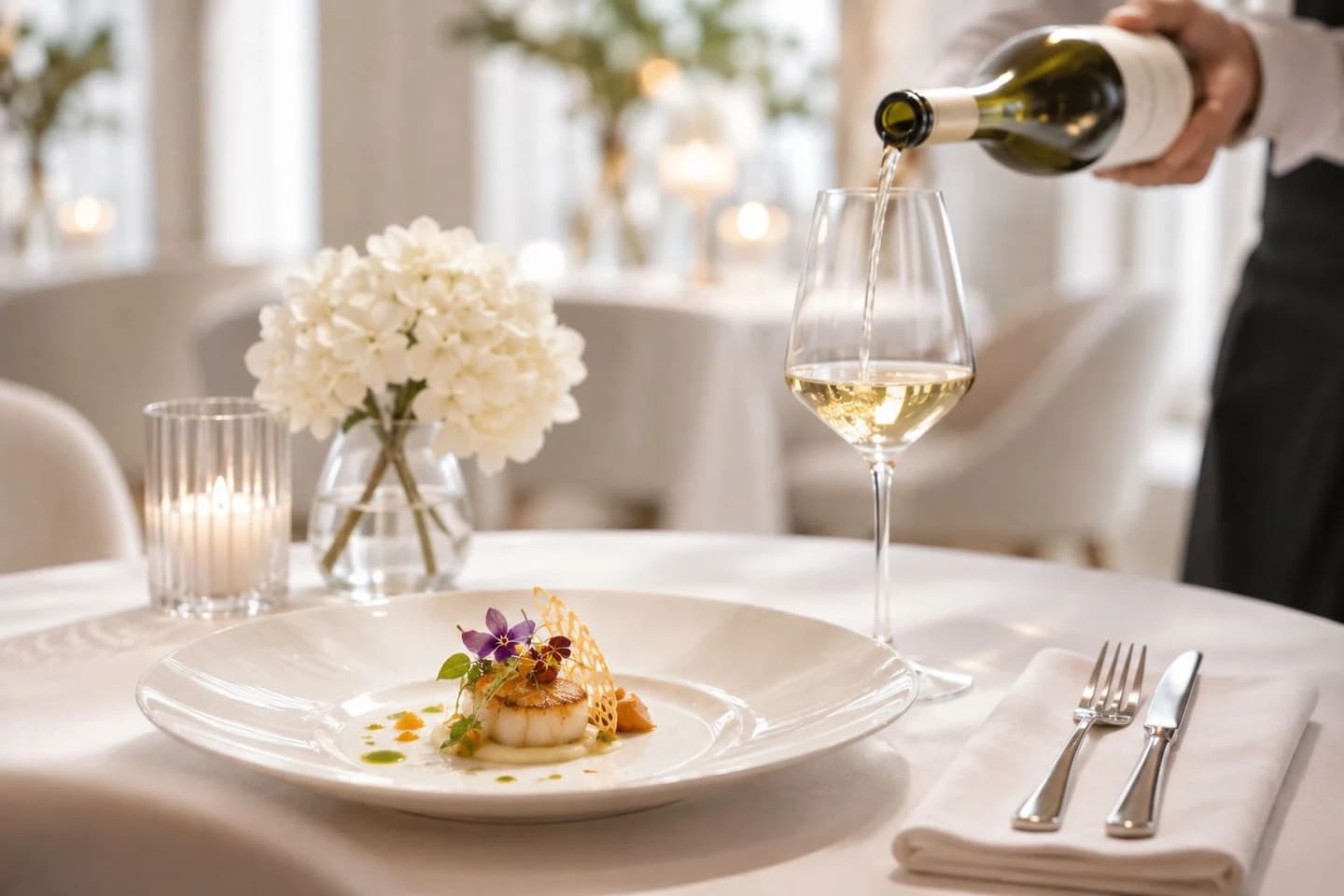
Wine pairing is the practice of matching wines with individual courses or groups of dishes to complement and enhance their flavours.
Rather than choosing a single bottle for the entire meal, guests are served a carefully selected sequence of wines. A sommelier considers factors such as acidity, sweetness, texture and flavour intensity when creating these combinations.
Non-alcoholic pairings are also increasingly common, featuring carefully selected teas, juices, botanical infusions or fermented drinks designed to complement the food.
Reservations: What Should You Know Before Booking?
Fine dining restaurants often operate with a limited number of tables and carefully planned service schedules.
Popular establishments may accept reservations several months ahead, while others release tables on specific dates.
For particularly sought-after restaurants, availability can disappear quickly.
Deposits and Cancellation Policies
Some restaurants require a credit card guarantee or deposit, while others request full prepayment for tasting menus.
Cancellation policies can be strict, with charges for late cancellations or no-shows.
Always check the conditions before confirming your reservation, particularly if your plans might change.
Dietary Requirements
If you have allergies, intolerances or dietary restrictions, inform the restaurant in advance.
Tasting menus are often carefully structured, and kitchens may need additional time to prepare alternatives.
Not every restaurant can accommodate every dietary requirement, so checking before booking is essential.
How Long Should You Allow?
A conventional three-course dinner may take around 90 minutes to two hours.
A longer tasting menu can last two and a half to four hours, occasionally more.
If you have theatre tickets, transport arrangements or other commitments, ask about the expected duration beforehand.
What to Expect During the Experience
One of the most distinctive aspects of fine dining is the attention given to service and the sequence of dishes.
Depending on the restaurant, staff may introduce each course, explain its ingredients or describe the chef's inspiration.
You may also encounter a few elements that are less common in casual restaurants.
Amuse-bouche: A small bite served before the main meal, usually selected by the chef to introduce the kitchen's style.
Bread service: House-made bread may be presented with specially prepared butter or other accompaniments.
Palate cleanser: A small, refreshing preparation sometimes served between courses to prepare the palate for different flavours.
Petit fours: Small sweets or confectionery often offered towards the end of the meal, sometimes alongside coffee or tea.
Not every restaurant follows these traditions, and contemporary establishments frequently reinterpret them.
Dress Codes and Dining Etiquette
There is no universal fine dining dress code.
Some restaurants maintain formal requirements, while others encourage smart casual clothing or have no specific dress code at all.
Checking the restaurant's website or reservation confirmation is usually the easiest way to avoid surprises.
As for etiquette, guests are not expected to arrive with expert knowledge of food or wine.
A few simple considerations are enough to make the experience comfortable:
Arrive on time. Tasting-menu restaurants may coordinate service around carefully planned schedules.
Ask questions. Staff are generally happy to explain unfamiliar ingredients, dishes or wines.
Be considerate with photographs. Food photography is welcome in many restaurants, but flash photography or filming other guests may be discouraged.
Avoid strong fragrances. Heavy perfumes can interfere with the aromas of food and wine.
Respect the pace of service. Some experiences are designed around a particular sequence and timing.
And remember, there is no obligation to order expensive wines or demonstrate specialist culinary knowledge. Good hospitality should make guests feel welcome, not intimidated.
Making the Most of Your First Fine Dining Experience
Choosing the right restaurant matters more than choosing the most prestigious one.
If you are new to fine dining, consider starting with a lunch menu or a shorter tasting experience. These can provide an introduction to the restaurant's cooking without requiring the time or expense of a longer evening.
Fine dining can also be a wonderful way to celebrate an anniversary, birthday or another special occasion. A tasting menu can also make a thoughtful gift for food lovers, offering something beyond the usual dining experience.
But you don't need a special occasion to try it. For curious diners, fine dining offers an opportunity to explore familiar ingredients in unexpected combinations, discover new flavours and appreciate the creativity behind each dish.
Whether luxurious or understated, experimental or rooted in regional traditions, the experience is about more than simply having a meal. It is an invitation to discover food from a different perspective.
Explore more fine dining: Discover restaurants, tasting-menu experiences and special dining events in our Fine Dining collection.
