
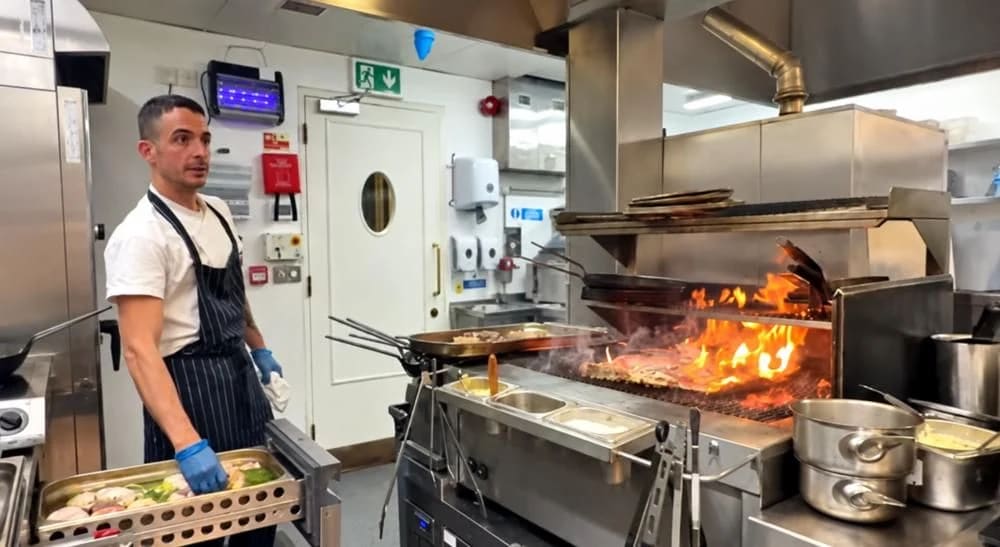
Professional kitchens are often seen through the dishes they produce, the restaurants that earn recognition and the chefs who lead them. But behind every service are people whose working lives rarely make it into the stories told about hospitality.
Some spend years in the same kitchen. Others move from one assignment to another, adapting to unfamiliar teams, equipment and routines, sometimes just hours before the first orders arrive.
Francesco Melis knows that second world well.
Originally from Sardinia, the Italian chef moved to England in 2017 without speaking English. His journey took him from restaurant kitchens to the unpredictable world of agency work and eventually to an independent career as a freelance chef.
Along the way, he discovered that professional ambition, personal freedom and a love of cooking do not always fit neatly together.
His experiences also inspired Burned Out and Carbonara: Behind the Kitchen Door, an autobiographical novella about the people, pressures, friendships and absurd moments that shape life behind the scenes.
We invited Francesco to share his story, the lessons he has learned and what he would tell the next generation of chefs.
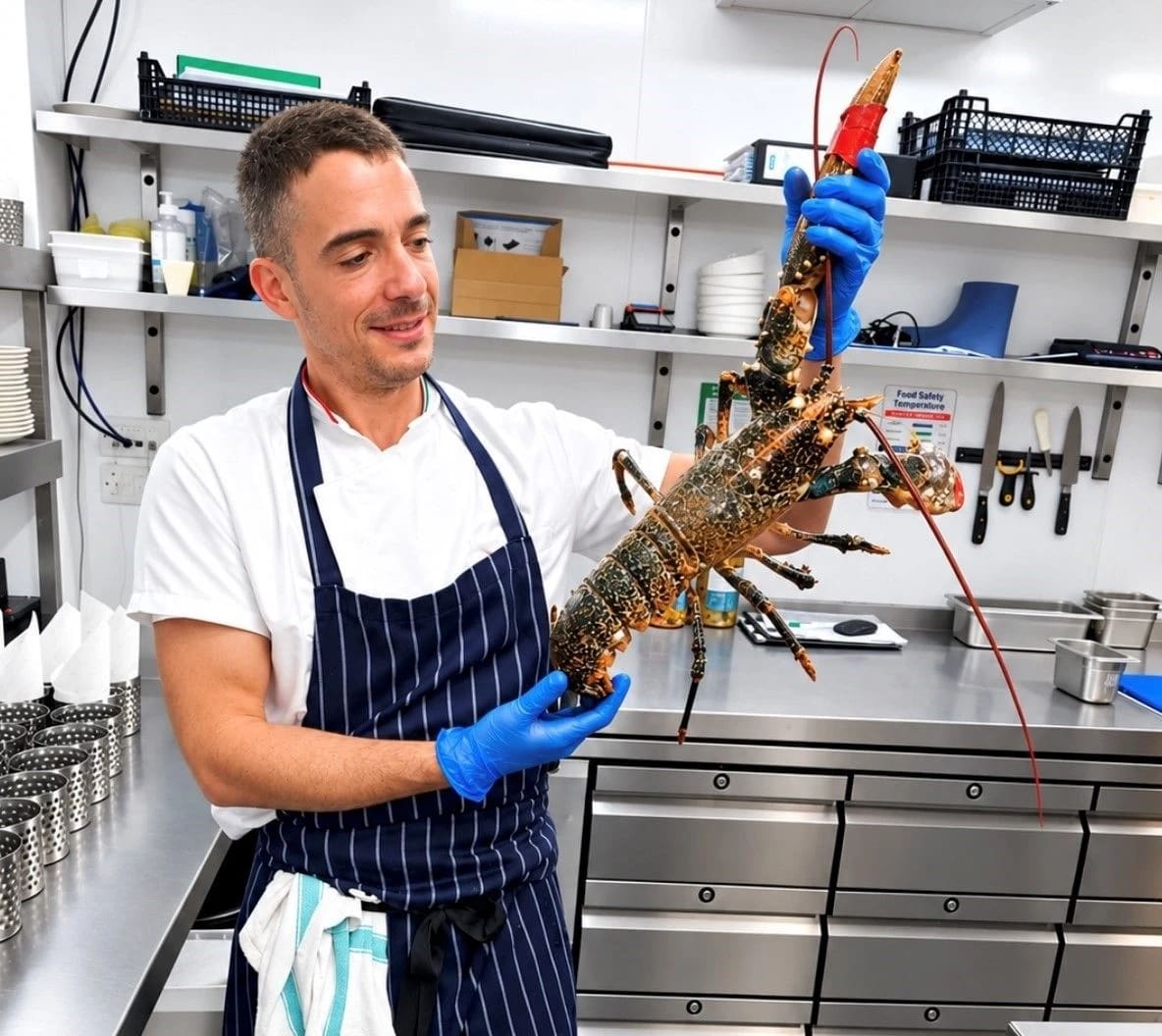
A Knife, Not a Pen
By Francesco Melis
I've spent considerably more time holding a knife than a pen, so I'll tell you the story as I know it — from behind the stove.
The Foundations: Sardinia and Luigi Pomata
Working with Luigi Pomata in Sardinia gave me the foundations of my professional life.
I was fortunate to begin surrounded by talented people who showed me not only how to cook, but how to organise my work. One of the most valuable lessons was learning to work in sequence: knowing what comes first, what needs preparing next and how every small task fits into the bigger picture.
Ten years and many kitchens later, I still use the same fundamental method I learned back in Sardinia. I've grown, made mistakes and learned new things, and I'm still learning. But that early foundation has never left me.
England: Freedom, Friendship and Finding My Words
I arrived in England in 2017 without speaking English. You might imagine that was a disaster, but actually, it was one of the happiest periods of my life.
I had a little rented room in the centre of Cheltenham, my own car and a wonderful feeling of independence. Nothing particularly glamorous, but it was my life, and I was enjoying every minute of it.
I attended Gloucestershire College in Cheltenham, where I had the opportunity to study English for free. It was a fantastic experience. I met people from all over the world, and I'm still in touch with some of them today.
The hardest part of not speaking the language wasn't the work. It was feeling disconnected from the society around me. When you can't communicate, even simple conversations become difficult.
In those early days, my hands were better at communicating than my mouth. Luckily, fish don't ask too many questions.
Escaping the Rat Race
Later, I worked for larger hospitality companies. Those experiences taught me plenty, but eventually I began to feel like a little mouse running on a wheel for another piece of cheese.
It reminded me of the rat race Robert Kiyosaki describes in Rich Dad Poor Dad.
Work, earn your salary, recover just enough to go back and do it all again. You can love your profession and still wonder where the rest of your life has gone.
After Covid, I decided to become an agency chef. Looking back, it was one of the best decisions I ever made.
I found more freedom, less of the pressure I'd experienced in permanent roles and an extraordinary opportunity to learn from other people.
Every new assignment meant a different kitchen, new colleagues, unfamiliar equipment and another set of rules to understand before service. You might be a good cook, but in a kitchen you've never seen before, you have to prove yourself all over again.
Every Kitchen Is a New Beginning
One of the most memorable things about agency work is the experience of walking into an unfamiliar kitchen and immediately having to become part of the team.
Sometimes you're arriving just before a busy service. You don't know where half the equipment is, you don't know the personalities around you, and everybody expects you to get on with the job.
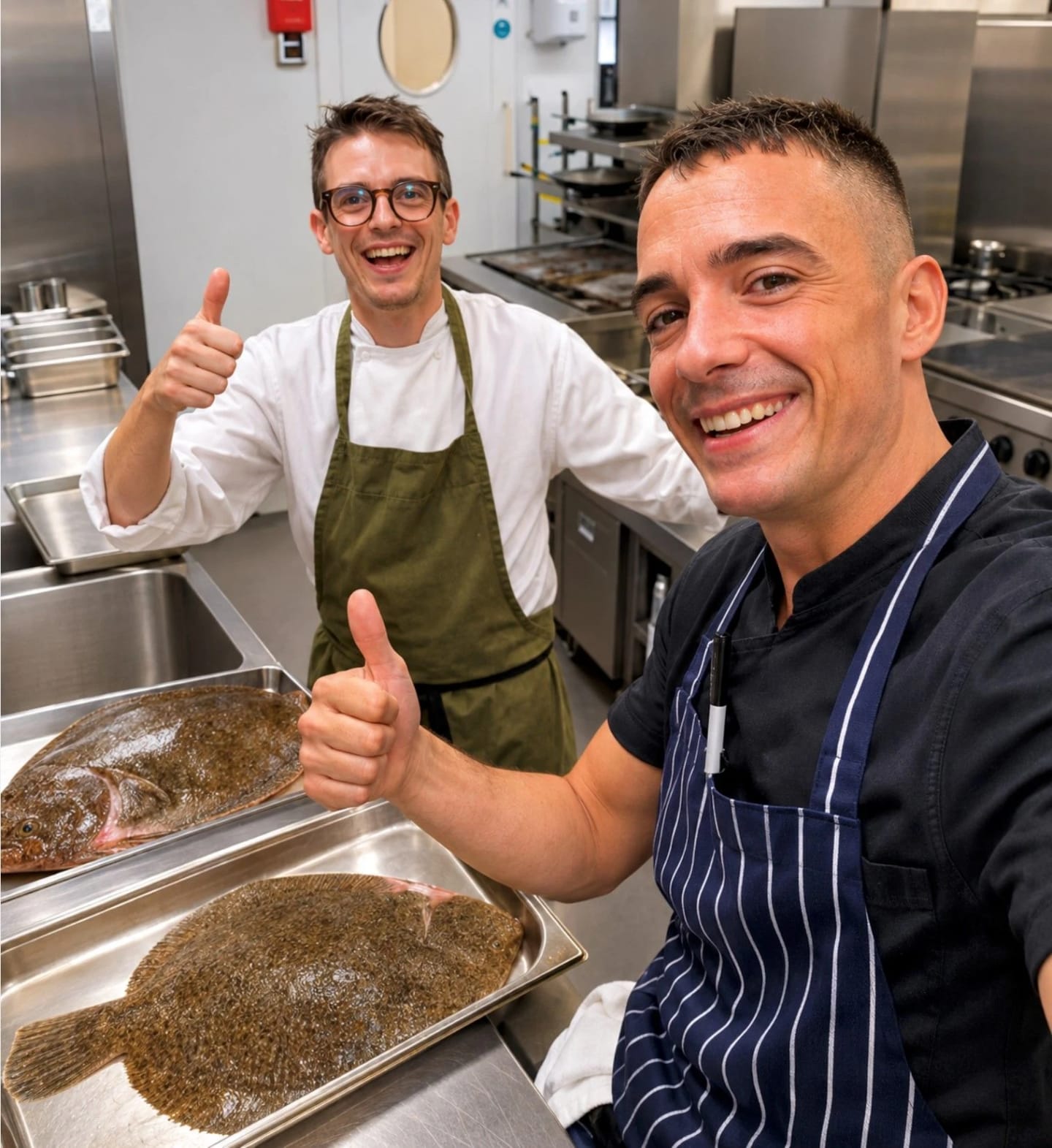
Those situations taught me that cooking skills alone aren't enough. You also need humility, patience, a sense of humour and the ability to work with people you've only just met.
Burnout: When the Kitchen Takes Over
In large hotels and restaurants serving a hundred covers or more, there's a real risk of becoming completely swallowed by the operation.
You work too many hours, sleep too little, eat badly, recover poorly and then get up to do it again.
At first, you tell yourself it's part of being a chef. We're supposed to be tough, aren't we?
But loving your job shouldn't mean giving it every hour of your life.
I believe burnout often comes when hard work stops being balanced with rest, freedom and a sense of purpose.
Restaurants need to remember that there are human beings behind every successful service. And chefs need to remember that looking after themselves isn't laziness.
What I Would Tell a Young Chef
Don't stay somewhere simply because it's familiar. Every chef has something to teach you, and sometimes the best lessons come from people who do things completely differently.
If a young chef wanted advice about starting agency work, I'd genuinely be happy to help, share my experiences or suggest agencies worth approaching.
I sometimes think it would be wonderful to open my own chef agency one day.
Perhaps that's another chapter waiting to be written.
A Different Meaning of Success
I'm still ambitious, and I still love cooking. But my idea of success has changed.
I'm currently studying for a degree in Nutrition, and recently my wife and I welcomed our little daughter into the world.
I thank God for that blessing.
Becoming a father has reminded me that success isn't just about the next position, a bigger salary or another impressive kitchen on your CV.
It's about continuing to grow professionally while having the freedom to enjoy your life and be there for the people you love.
I've learned discipline in Sardinia, independence in England and freedom through agency work.
And I'm still learning.
From the Kitchen to the Page: Burned Out and Carbonara
Francesco's experiences in British hospitality eventually found their way into a book. His autobiographical novella, Burned Out and Carbonara: Behind the Kitchen Door, draws on his years working as an agency chef, blending real experiences with fictionalised characters and adapted situations.
For Francesco, the title reflects two sides of the same profession.
"Burned Out is the exhaustion, the pressure and those moments when the kitchen seems determined to consume every last bit of energy you have," he explains.
"Carbonara is the love that keeps bringing me back."
For him, the Italian dish represents a philosophy of cooking built around simple ingredients, freshness, quality and respect for the food.
"Nothing unnecessarily complicated. Just something incredibly good when it's done properly."
The book brings together humour, sometimes sarcastic observations about British food, friendships, exhausting shifts and the unexpected kindness found in professional kitchens.
"I wanted to tell the stories behind the plates: the friendships, exhaustion, absurd moments and small acts of kindness that rarely appear on a restaurant menu."
And perhaps his motivation for writing is best captured in one final observation:
Burned Out and Carbonara: Behind the Kitchen Door by Francesco Melis is available on Amazon.
