
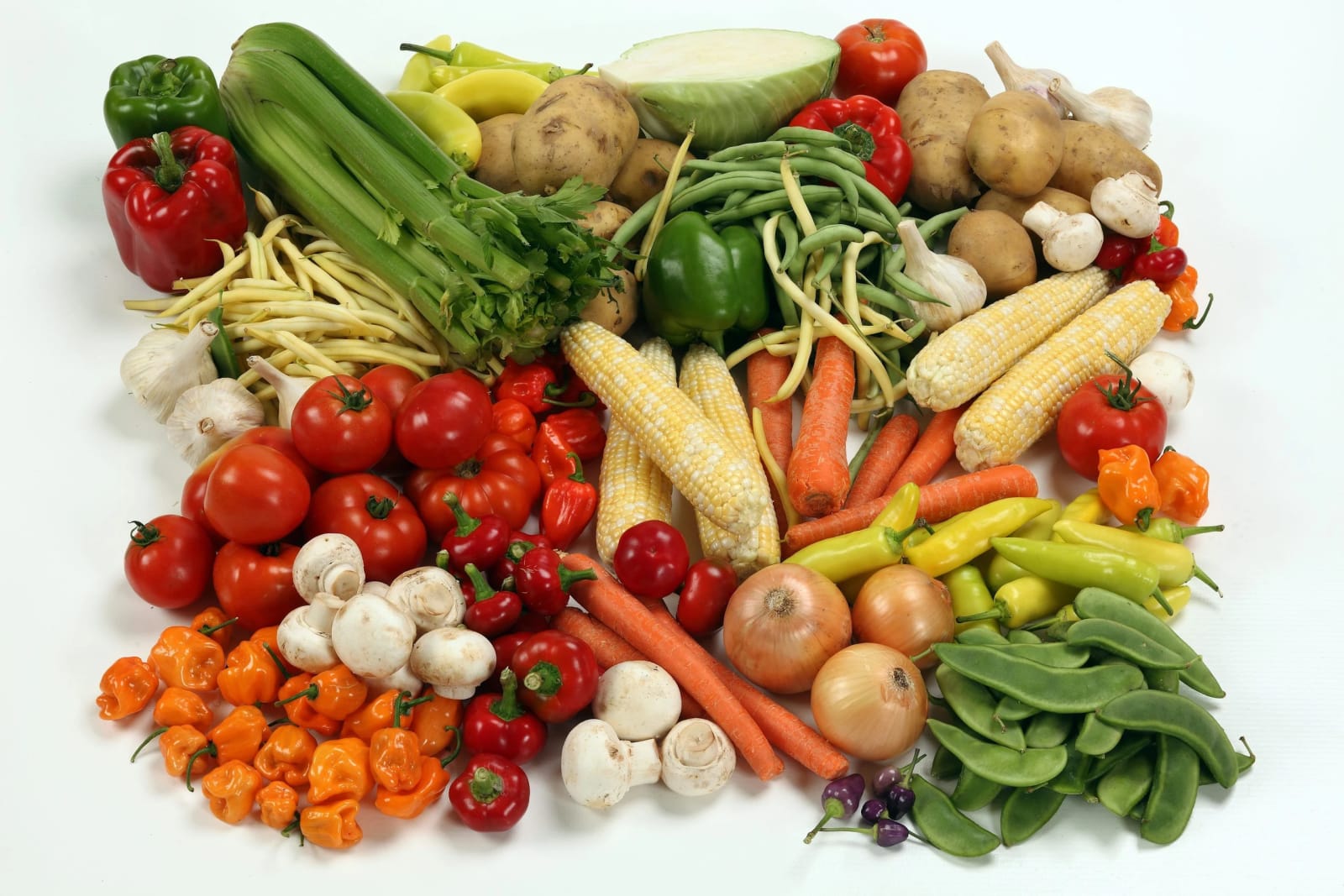
The market stall is often the exciting part of a self-catering holiday. The less glamorous question comes later: will everything in the basket fit the kitchen waiting at the apartment?
A thoughtful first food shop begins before leaving the accommodation. Five minutes spent looking at the equipment can help a visitor choose a meal that suits the space, instead of discovering halfway through preparation that an essential pan or utensil is missing.
Start with what is there
“Kitchen” is a useful description, but it does not tell a guest whether there is an oven, how many cooking rings are available or which accessories are supplied. A photograph can show the overall room while leaving those practical details unclear.
Before choosing a recipe, check the actual equipment. Look for the pan, tray, knife, chopping board or other tool the intended meal needs. If an appliance is unfamiliar, ask for its instructions. Finding a new way to improvise is part of travel for some people; for others, a simpler first meal is a much better start to the holiday.
This is also a useful distinction for accommodation hosts. An inventory lists what the home contains. A short guest guide makes that information easier to use. “Oven with one baking tray” is more helpful to someone planning dinner than a broad promise of a fully equipped kitchen when the details have not been checked.
Plan one meal, then the next
An impressive selection of ingredients is not automatically a convenient meal. Consider how many people will be eating, what they actually want and how much preparation everyone feels like doing after a journey.
For example, imagine two visitors choosing their first evening meal. One plan needs several pans and separate stages of cooking. Another uses the equipment they have already checked and leaves more time to enjoy the evening. Neither choice is inherently better; the useful step is making the decision with the kitchen in mind.
Avoid buying several meals' worth of a particular ingredient solely because it looks appealing. Plans can change quickly on holiday. A lunch out, a day trip or a late return may leave an ambitious shopping list unused.
Look at the storage before filling it
The fridge in a holiday apartment may be smaller than the one at home. Check its available space and the other storage areas before a large shop. Do not assume that a freezer compartment, a particular container or a generous cupboard is provided.
Guests also need to know which basics are actually supplied. Oil, coffee, seasoning and washing-up products vary between properties and stays. Ask rather than treating something left by a previous guest as a guaranteed part of the booking.
For hosts, a concise and current list of included essentials can answer these questions without making an open-ended promise. If the list changes, the arrival information should change with it.
Keep the local discovery flexible
A market visit does not have to produce an elaborate dinner. Guests can choose the ingredients for one manageable meal, learn about unfamiliar products and leave room for another visit later in the stay.
Ask the stallholder about the product when needed, and follow its storage and preparation instructions. This article is not a substitute for food-safety or dietary advice. The practical point is to choose a shopping plan that matches both the visitors and the equipment.
The best first shop is not necessarily the biggest or the most photogenic. It is the one that fits the holiday people are actually having.
